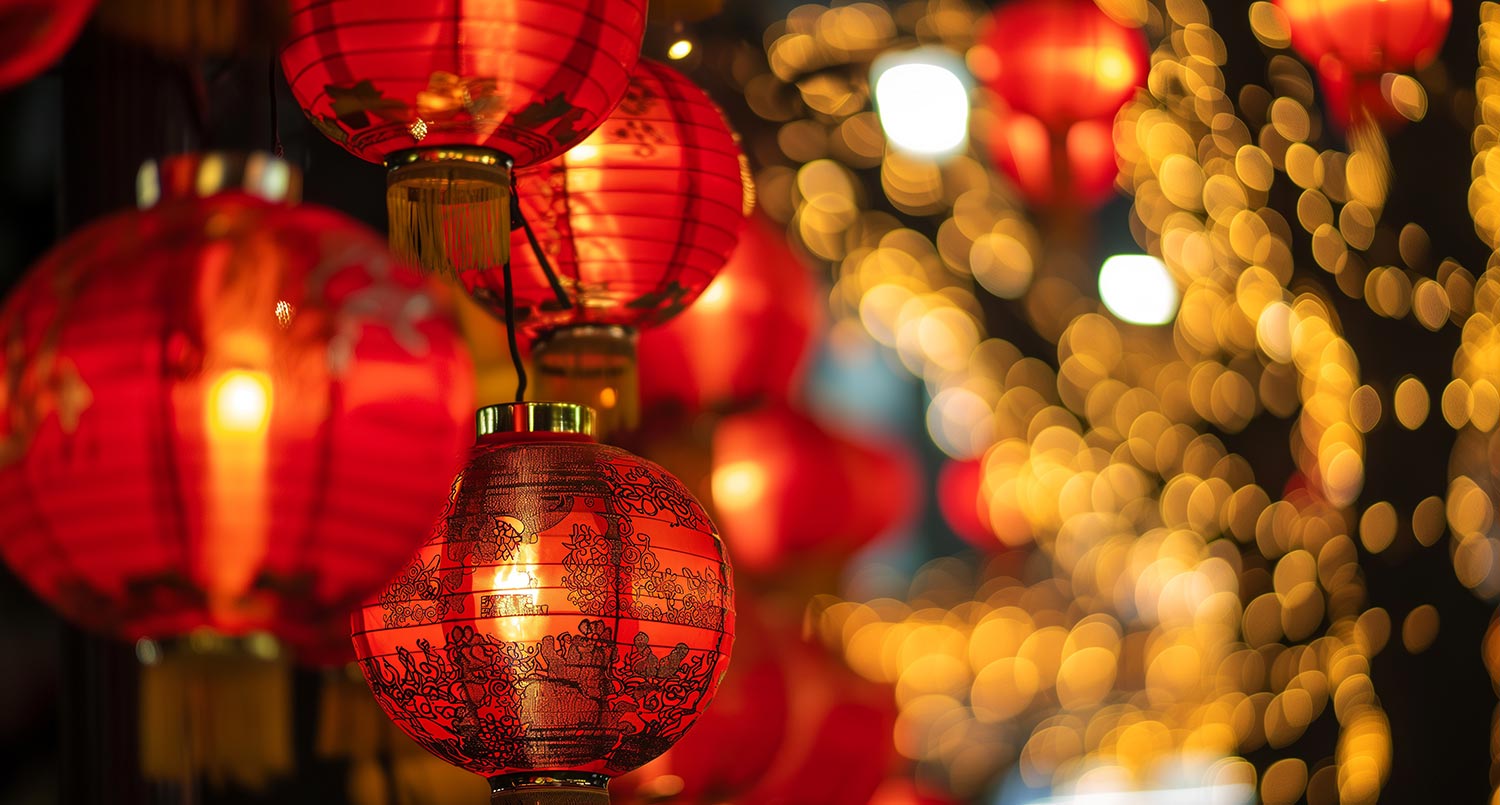
Chinese New Year, also known as the Spring Festival, marks the beginning of a new year on the traditional lunisolar Chinese calendar. It is one of the most important holidays in Chinese culture and was placed on the UNESCO Intangible Cultural Heritage of Humanity list in 2024. Marking the end of winter and the beginning of spring, this festival takes place from Chinese New Year's Eve (the evening preceding the first day of the year) to the Lantern Festival, held on the 15th day of the year. The first day of the Chinese New Year falls on the new moon that appears between 21 January and 20 February. (wikipedia)
It is an important celebration in some countries where Spiritans live and work: Taiwan, Vietnam (where the lunar new year is called Tết) and the Philippines.
Le Nouvel An chinois, également appelé le Festival du Printemps, marque le début d’une nouvelle année selon le calendrier lunisolaire traditionnel chinois. C’est l’une des fêtes les plus importantes de la culture chinoise et elle a été inscrite sur la liste du patrimoine culturel immatériel de l’humanité de l’UNESCO en 2024. Marquant la fin de l’hiver et le début du printemps, ce festival a lieu du réveillon du Nouvel An chinois (la veille du premier jour de l’année) jusqu’au Festival des Lanternes, qui a lieu le 15e jour de l’année. Le premier jour du Nouvel An chinois tombe sur la nouvelle lune qui apparaît entre le 21 janvier et le 20 février. (Wikipédia)
C’est une célébration importante dans certains pays où vivent et travaillent les esprits : Taïwan, le Vietnam (où le Nouvel An lunaire est appelé Tết) et les Philippines.
Traduction automatique générée avec Microsoft Azure Translator.
O Ano Novo Chinês, também conhecido como Festival da Primavera, marca o início de um novo ano no tradicional calendário lunissolar chinês. É um dos feriados mais importantes da cultura chinesa e foi incluído na lista do Patrimônio Cultural Imaterial da Humanidade da UNESCO em 2024. Marcando o fim do inverno e o início da primavera, este festival acontece da véspera do Ano Novo Chinês (a noite que antecede o primeiro dia do ano) até o Festival das Lanternas, realizado no 15º dia do ano. O primeiro dia do Ano Novo Chinês cai na lua nova que aparece entre 21 de janeiro e 20 de fevereiro. (Wikipedia)
É uma celebração importante em alguns países onde os espiritanos vivem e trabalham: Taiwan, Vietnã (onde o ano novo lunar é chamado Tết) e as Filipinas.
Tradução automática gerada com o Microsoft Azure Translator.