Word of God: Lk 4:14-19
“Jesus returned to Galilee in the power of the Spirit, and news about him spread through the whole countryside. He was teaching in their synagogues, and everyone praised him. He went to Nazareth, where he had been brought up, and on the Sabbath day he went into the synagogue, as was his custom. He stood up to read, and the scroll of the prophet Isaiah was handed to him. Unrolling it, he found the place where it is written: “The Spirit of the Lord is on me, because he has anointed me to proclaim good news to the poor. He has sent me to proclaim freedom for the prisoners and recovery of sight for the blind, to set the oppressed free, to proclaim the year of the Lord’s favour.”
Insight from the Founders
From its very beginnings, Spiritan spirituality bears the mark of an explicit consecration to the Holy Spirit.
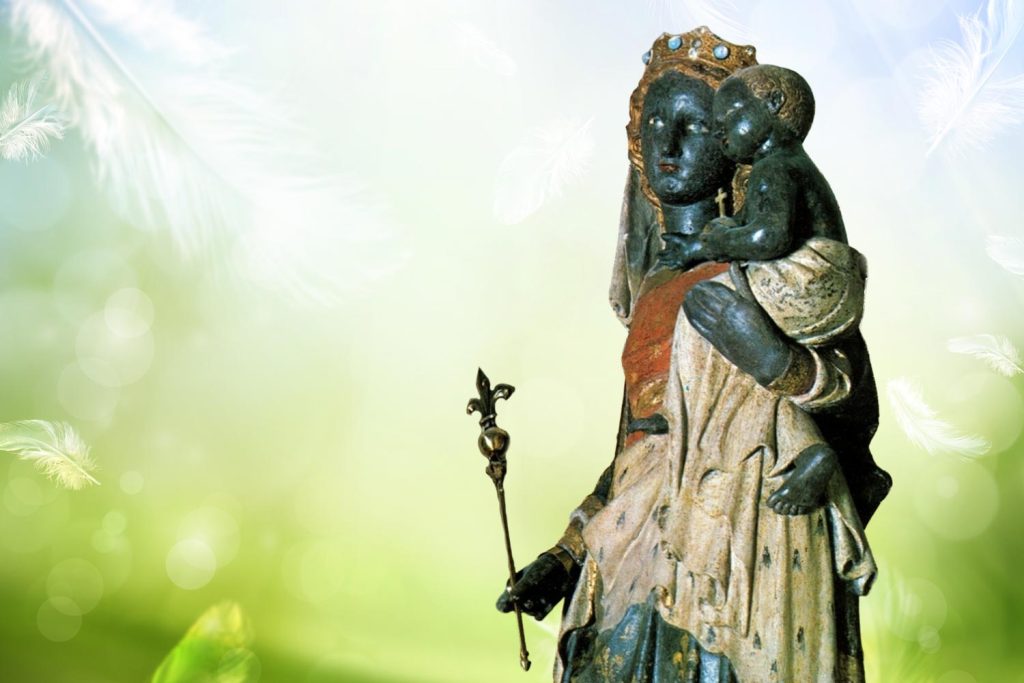
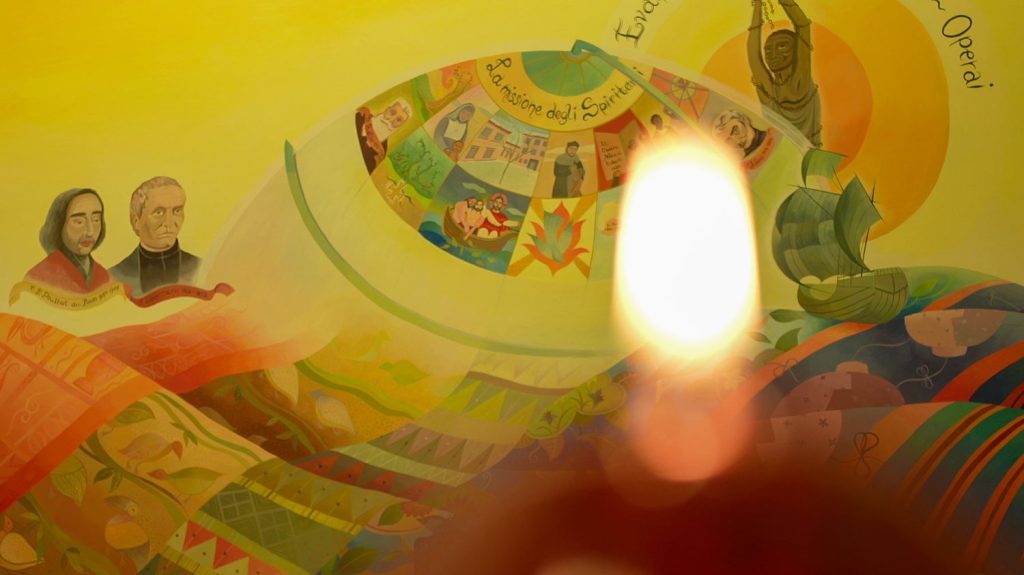
Claude Poullart des Places did not develop a systematic theology of the Spirit, but his life was deeply imbued with it. His Breton faith drew him towards the Spirit from a very early age, and his founding act is the clearest sign of this: on 27 May 1703, the day of Pentecost, he consecrated his small community to the Holy Spirit, under the protection of the Immaculate Virgin.
The first articles of his Rules bear witness to this:
- The pupils “shall particularly adore the Holy Spirit to whom they are especially devoted”;
- They shall have a “singular devotion” to the Blessed Virgin, the perfect model of docility;
- They shall celebrate Pentecost to obtain “the fire of divine love” and the Immaculate Conception to receive “angelic purity”.
Thus, from the very beginning, Spiritan life has been understood as a total openness to the Spirit, in the image of Mary.
A century and a half later, Francis Libermann took up and deepened this founding intuition. In the Rule of 1849, speaking of the Spiritans, he clearly states: “ The Congregation consecrates them especially to the Holy Spirit, the author and perfecter of all holiness and the inspirer of apostolic action. ”
To explain this docility, Libermann uses another powerful image:
“Stand before the divine Master like an anvil before the blacksmith, or rather like the red-hot iron he holds in his tongs; he strikes it with repeated blows, and the iron takes on whatever shape he wishes to give it. You are still like raw, hard iron; Our Lord must break you and make you pliable through trials and crosses” (LS III, 115–116).
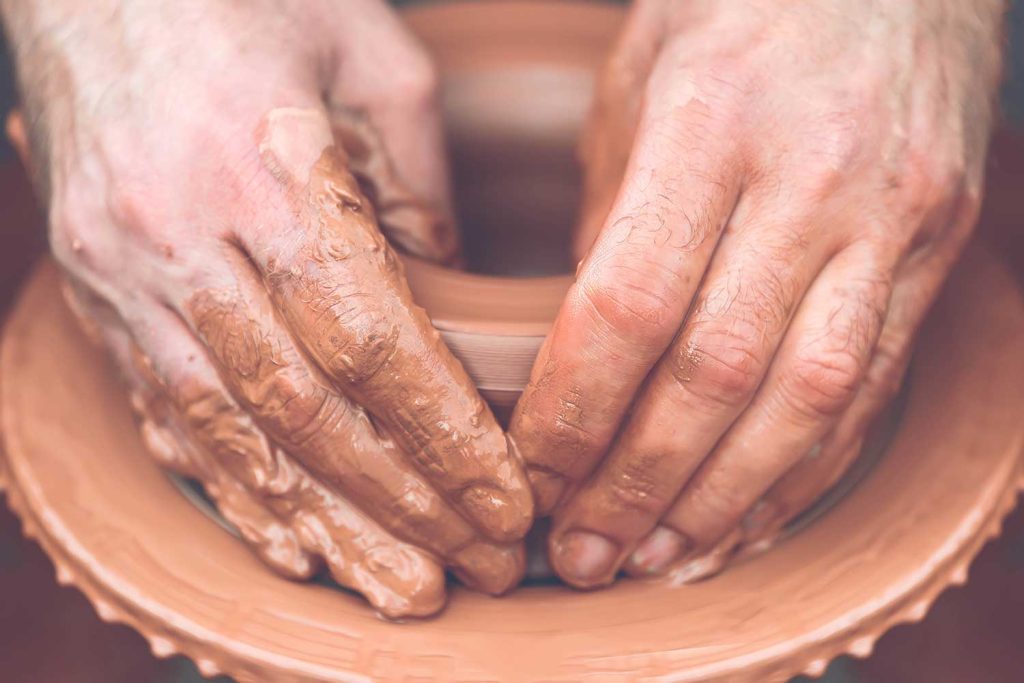
For him, docility constitutes the beating heart of Spiritan spirituality. It is a profound inner movement that consists in allowing oneself to be shaped, purified and guided by the Spirit, until one becomes a pliable instrument in God’s hands.
Reflection
Poullart des Places and Libermann each express, in their own way, this same understanding of docility to the Holy Spirit. For Poullart, it is expressed first and foremost as a trusting surrender to the divine breath. From the very beginning, he invited his companions to become hearts open and available to God’s action: to adore the Holy Spirit, to ardently seek the fire of divine love, to imitate the inner openness that allows God to act freely. For him, the whole challenge lay in transforming the missionary’s heart into a free space, capable of allowing itself to be led by the Spirit.
With Libermann, this initial insight becomes a genuine spiritual method, a way of life, a way of being a missionary. For him, the Spirit is the One who guides, inspires, unites and sends.
Poullart offers the source, Libermann shows the way. Both invite us to become, like Mary, hearts open to the breath of God.
For Libermann, one conviction prevails: only the Holy Spirit knows how we are to radiate Jesus Christ. He was given to us at baptism to establish in us the holiness of Christ. He alone can lead us towards the unique vocation that God has dreamed up for us. What must we do? Nothing other than let ourselves be led along a path we do not know. Libermann expresses this forcefully: “ Only the Holy Spirit can move you forward. Jesus has given you his Spirit to guide and lead you. Be docile. If you wish to go alone, you will stray from this path. Only the Holy Spirit knows it and can help you progress” (L.S. I, 366).
The more generously a person surrenders to God, the more the Spirit fills them, animates them and leads them along the unique path of their conformity to Christ and their apostolic commitment. Thus, docility to the Holy Spirit is not a secondary aspect of our Spiritan vocation: it is its living centre, the source of all missionary fruitfulness.
Questions for reflection
- Where am I on the path of docility? How does my life enter into this movement of surrender and openness to the Spirit?
- In what ways is the Spirit shaping me today into the likeness of the missionary Christ?
Prayer
Holy Spirit, you who set Poullart des Places ablaze and guided Libermann step by step, open our hearts as you opened Mary’s.
Make us flexible servants in your hands, in simple and trusting docility.
Shape us, purify us, and take us as a light feather carried by your breath, as metal that your love works and transforms.
Lead us where you will and make us ardent witnesses for the glory of God and the life of the world. Amen.



This article is also available in: