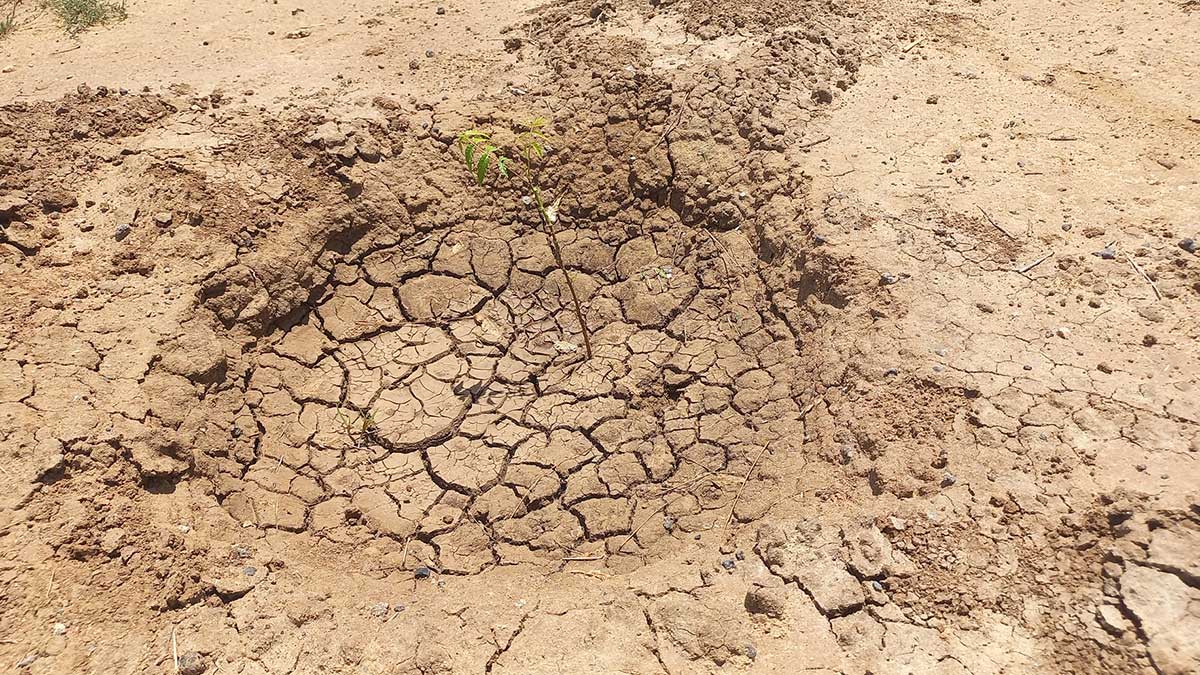
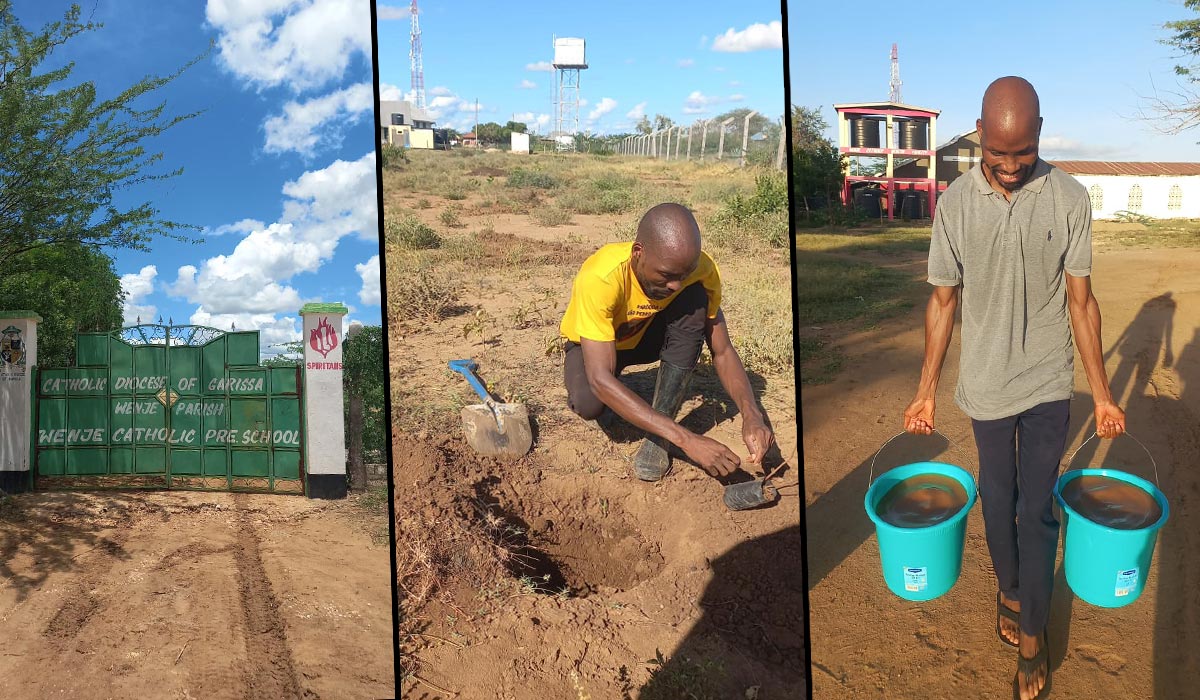
Planting of 200 Trees in the Parish Grounds
“Green Wenje” is an important environmental and ecological initiative designed to combat climate change, restore degraded landscapes, and improve community livelihoods. The project is led by Father José Martins Mandele, C.S.Sp, an Angolan Spiritan missionary serving at St John the Baptist Parish in Wenje, Diocese of Garissa, Kenya.
The village of Wenje is located in Tana River County, near the border with Somalia. The region is characterised by hot, dry conditions, making tree planting essential for providing shade, promoting environmental conservation, and improving the well‑being of the local population. The initiative began on 29 March and concluded on 13 May 2026, the feast of Our Lady of Fátima. A total of 205 trees were planted on the parish grounds, an area that will serve as a space for celebrations and community gatherings.
The decision to plant trees responds to the urgent need to address climate change and recurring drought. Wenje and the wider county frequently experience severe water shortages and insufficient rainfall. Planting trees contributes to the restoration of damaged ecosystems and offers protection against environmental risks such as soil erosion, sedimentation, and poor water retention on parish land.
If these young trees survive — a significant challenge in this climate — they will serve as an example for families, encouraging them to plant trees in their own compounds. As Fr José explains, it is not enough to nourish the spirit with the Word of God, to heal the body with medicine, or to educate the mind through schooling; the faithful must also learn to care for creation through the Wenje Green Project.
Wenje is a culturally diverse community, home to the Pokomo, Orma, Wardey, and Somali peoples. Poverty, cultural differences, and competition for scarce resources often lead to conflict and insecurity. Drought intensifies these tensions, particularly between pastoralist and farming communities. When rains do arrive, they are often intense, causing flooding in various parts of the region, especially when the floodgates of the Massinga Dam are opened. In this fragile environment, the restoration of biodiversity and ecosystems is an urgent priority.
The greatest challenge ahead is ensuring the sustainability of the newly planted trees. Regular irrigation is essential, especially during the first year. As Wenje is a semi‑arid region with very little rainfall, the parish must employ someone to water and care for the plants, at a cost of approximately one hundred euros per month. Fr José appeals to the generosity of benefactors to help sustain this effort.
This initiative seeks to transform barren spaces into places of shade, fresh air, and hope for a better future, while promoting a culture of care for creation. As the planting concluded on 13 May, the project has been entrusted to Mary, Our Mother, Our Lady of Fátima.
This article is also available in: