The apostolic journey of Pope Leo XIV to France from 25 to 28 September 2026 was more than a pastoral visit. It was a missionary pilgrimage that spoke powerfully to the Church in Europe and to all those engaged in the Church’s evangelizing mission across the world. Through his visits to Paris, Lourdes, and Metz, the Holy Father offered a compelling vision of a Church renewed in faith, rooted in hope, and courageously committed to proclaiming the Gospel in today’s world.
At the heart of the Pope’s message was a call to what he described as a “missionary conversion.” Speaking at the restored Cathedral of Notre-Dame de Paris, he reminded the faithful that the Church is not merely an institution preserving a glorious past, but a living community called to reach out to those on the margins. Echoing the missionary spirit that has inspired generations of Spiritans, he urged Christians to welcome those who feel distant from the Church and to recognize that Christ is already present in their search for meaning and belonging.
Throughout the visit, Pope Leo XIV repeatedly stressed the inseparable connection between faith and human dignity. At UNESCO, he challenged political leaders, educators, and cultural institutions to place the human person at the center of technological, economic, and scientific development. He insisted that progress must always serve humanity, particularly the poor, the vulnerable, and those whose voices are often unheard. His words reflected the Church’s perennial teaching that authentic development is measured not only by material advancement but also by the growth of justice, solidarity, and peace.
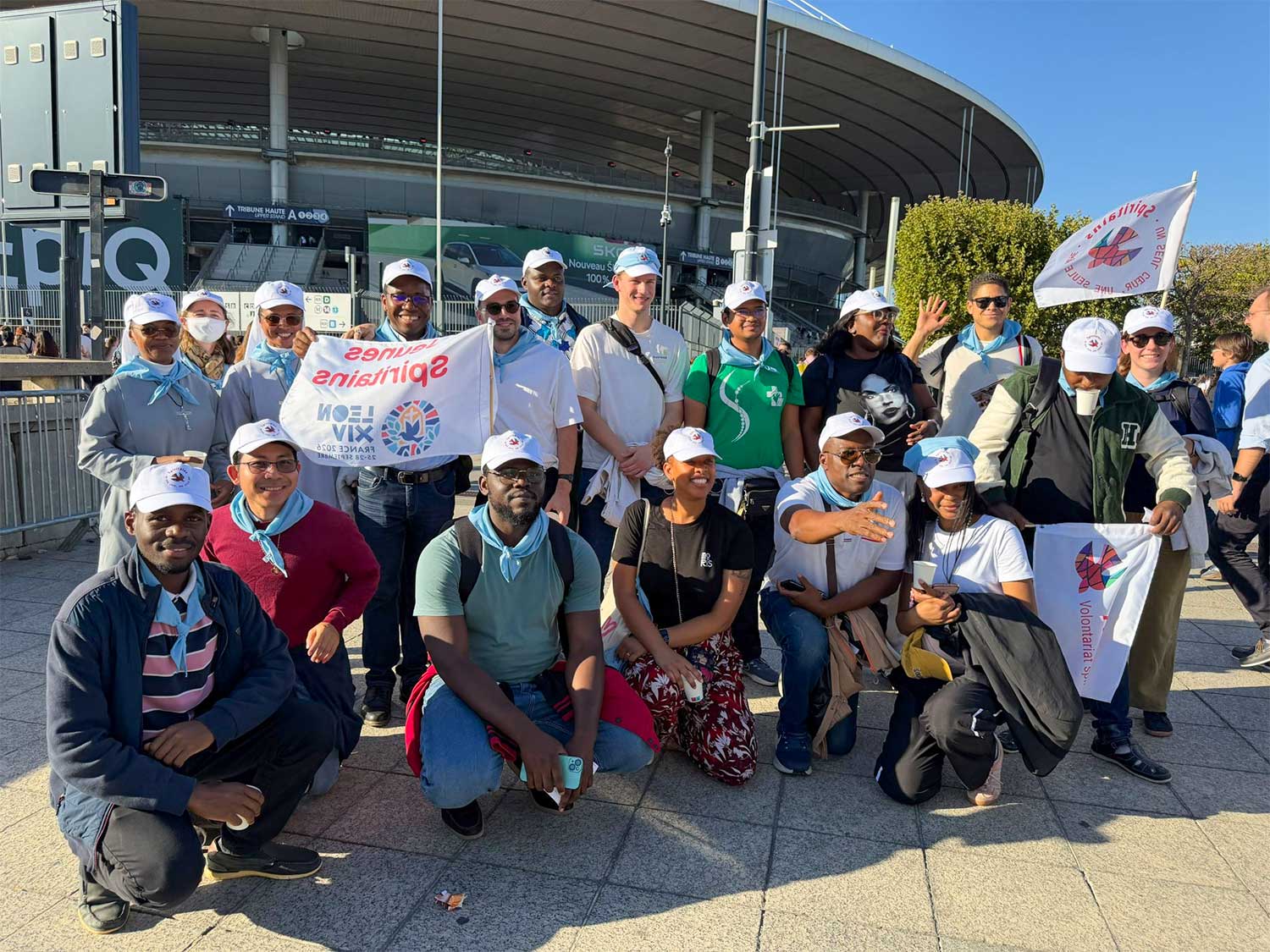
The missionary dimension of the visit was especially evident in his encounters with young people. Before thousands gathered at the Stade de France, the Pope encouraged a new generation of Catholics to become “radiant witnesses of the Gospel.” He invited them to deepen their faith, participate actively in Christian communities, and respond generously to vocations to priesthood, religious life, and missionary service. His appeal echoed Christ’s command to his disciples: “Go into all the world and proclaim the Good News” (Mk 16:15).
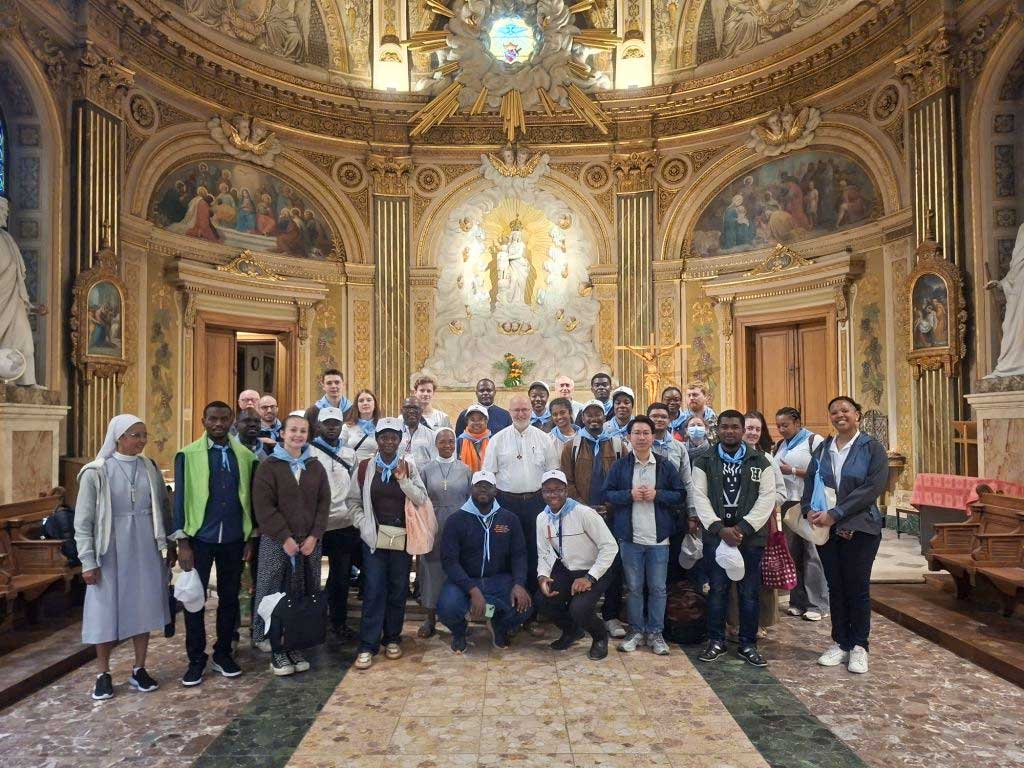
This call found a particularly enthusiastic response among the young Spiritans who gathered in Paris during the papal visit. Young Spiritans from diverse backgrounds came together for prayer, fellowship, and celebration, participating in the prayer vigil at the Stade de France and the Eucharistic celebration at the Place de la Concorde. For them, these moments strengthened not only their sense of belonging to the Spiritan family but also their commitment to the Church’s missionary vocation. The Pope’s invitation to transform fear into hope, and to discern God’s call through prayer, service, and witness, resonated deeply with the Spiritan tradition of availability to the Holy Spirit and readiness to be sent wherever the mission is most needed.
Particularly inspiring was the Pope’s message during the youth gathering that discernment is rooted in a living relationship with Christ and finds expression in a generous response to God’s call. As the words “Here I am, Lord!” echoed through the stadium, many young people embraced anew the challenge of missionary discipleship. The following day, during the Mass at the Place de la Concorde, Pope Leo XIV reminded them that they are not merely the future of the Church but “the Church of today.” This affirmation encouraged the youth as they continue their journey towards World Youth Day 2027 in Taiwan and Seoul, deepening their faith, strengthening bonds of fraternity, and preparing themselves spiritually for active participation in the Church’s mission and service to the world.
In Lourdes, the Pope highlighted another essential dimension of mission: compassion. Standing among the sick, the elderly, and pilgrims from around the world, he reminded the Church that no weakness is excluded from God’s love. He called on bishops, priests, religious, and lay faithful to exercise “missionary creativity” in bringing the Gospel to contemporary society while maintaining unwavering commitment to safeguarding the vulnerable and supporting victims of abuse.
The final stage of the journey, in Metz, underscored the importance of dialogue in the service of peace. The Holy Father affirmed that religions must be guardians of life and instruments of reconciliation. He appealed for a Europe that chooses dialogue over conflict and fraternity over division. In a world marked by war, polarization, and fear, he proposed a vision rooted in the Gospel: peace built through justice, mutual respect, and shared responsibility for the common good.
For Spiritans, present in more than sixty countries and dedicated to evangelization among peoples most in need, Pope Leo XIV’s visit offers a timely challenge and encouragement. His appeals for missionary zeal, closeness to the poor, care for creation, promotion of vocations, and commitment to dialogue resonate deeply with the Spiritan charism inherited from the Servant of God Claude Poullart des Places and Venerable Francis Libermann.
As the Pope concluded his journey with the invitation to “walk together” in the service of God’s Kingdom, he reminded the whole Church that mission remains our common vocation. In a changing world, the Gospel continues to offer hope, meaning, and healing. The task before us is clear: to be a missionary Church that goes forth, building communities of faith, justice, peace, and fraternity wherever the Spirit leads.
Philip Ng’oja, CSSp
This article is also available in: