Theme: All states open to salvation
This sixth day reminds us that God acts within the diversity of vocations, stories, and sensibilities. There is no single model of holiness or faithfulness. In an intercultural community, this conviction helps us to respect differences in pace, spiritual expression, and ways of serving. Let us ask for the grace to recognise God’s work in our brothers and sisters, even when it takes forms different from our own.
Word of God — Ephesians 4:11–13
“So Christ himself gave the apostles, the prophets, the evangelists, the pastors and teachers, to equip his people for works of service, so that the body of Christ may be built up until we all reach unity in the faith and in the knowledge of the Son of God and become mature, attaining to the whole measure of the fullness of Christ.”
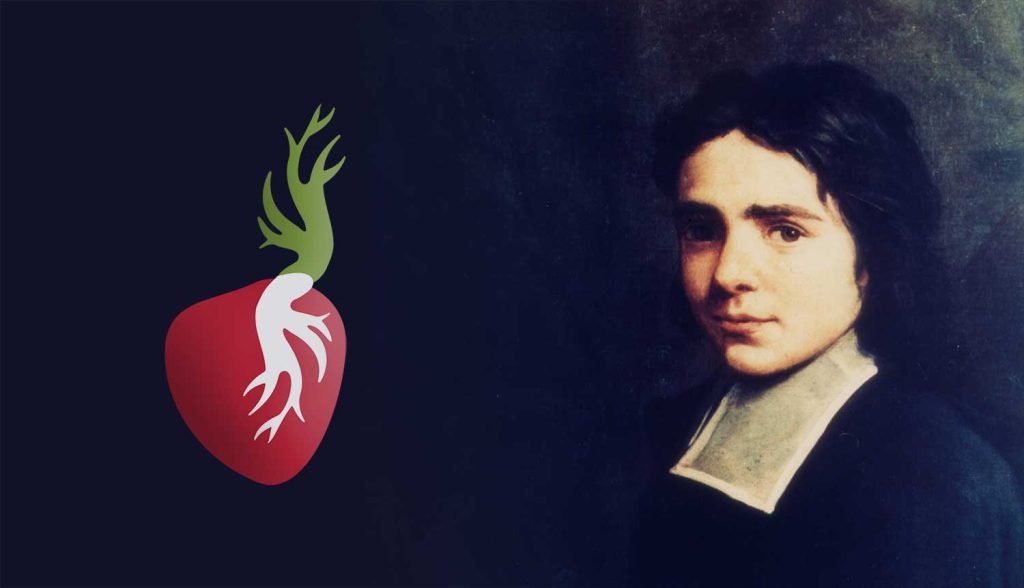
Poullart des Places — Diversity of States of Life and Spiritual Equality
“But since there are only three states of life between which one can choose, there are also only three kinds of vocation. One must choose between the religious state known as the cloister, the ecclesiastical state which is that of secular priests, and the third state known as the world. In all three, one can be saved just as one can be damned”.
Intercultural Insight
Refusal to rank ways of life, affirmation of a fundamental equality within diversity.
For Poullart des Places, responding to one’s own calling was the best way to support Louis‑Marie Grignion de Montfort in his vocation: “I will prepare them for you and you will put them into practice. In this way you will be satisfied and so will I.” The first Montfortians all came from the Seminary of the Holy Spirit.
Reflection: All states of life equally open to salvation
The assertion that one can be saved—or lost—in all states of life dismantles any simplistic spiritual hierarchy. Doctrinally, it points to a non‑elitist vision of holiness, accessible in every human circumstance. Grace is not tied to a status, but to a free and faithful response. This perspective opens a theology of vocation as a unique call within a legitimate plurality. Interculturally, it supports the recognition of different ways of life and cultures as possible settings for God’s action. In Choix d’un État de Vie, Poullart des Places shows that no culture and no state of life has a monopoly on salvation or virtue.
Prayer
Lord,
you call each of us along a unique path.
Teach us to respect the rhythms,
sensibilities and ways of living the faith that are not our own.
Deliver us from the desire to impose a single model.
Open our hearts to the richness of diversity,
so that our community may reflect the breadth of your love and your call. Amen.






This article is also available in: