Theme: A universal purpose
Today we turn our gaze to what unites us more deeply than anything that distinguishes us. Despite the diversity of our origins, languages, and sensitivities, we share the same fundamental vocation: to love and serve God. This common calling is the foundation of every authentic community. When we rediscover it, our differences take their rightful place—not as threats, but as gifts placed at the service of a shared mission.
Living in an intercultural community becomes possible only when we remember that our unity precedes our diversity, and that our diversity enriches our unity.
Word of God — Ephesians 4:2–7
“Be completely humble and gentle; be patient, bearing with one another in love. Make every effort to keep the unity of the Spirit through the bond of peace. There is one body and one Spirit, just as you were called to one hope when you were called; one Lord, one faith, one baptism; one God and Father of all, who is over all and through all and in all. But to each one of us grace has been given as Christ apportioned it.”
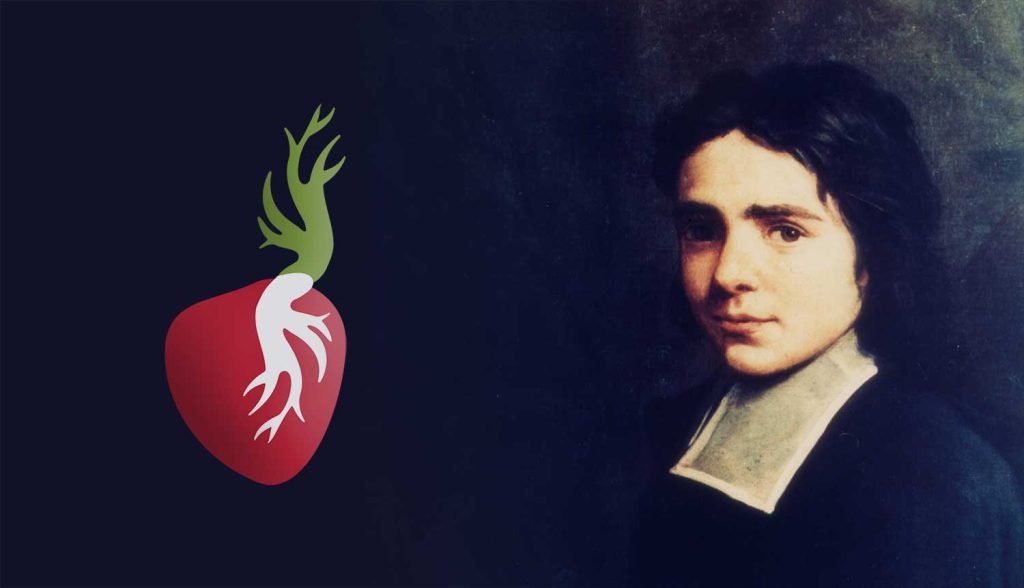
Poullart des Places — A Common Purpose Beyond Differences
“God created me only to love Him, only to serve Him, and then to enjoy the bliss promised to righteous souls. That is my sole concern; that is the goal towards which I must direct all my actions. I am a fool if I do not work in accordance with this end, since I must have no other. Whatever happens from now on, I must therefore remember that every moment I do not spend living well is a moment lost, and for which I will have to give an account to God.”
Intercultural Insight
Affirmation of a universal horizon that relativizes differences in status, culture or circumstances.
The young Claude Poullart des Places played the role of ‘glory’ in the theatre; his biographer says that “his passion was for glory and for reputation”. But during his retreat, “he joyfully renounced the world in which he saw nothing but vanity; he attached himself to his God and to all that might please him”.
After this retreat, he had “a particular affection for the most obscure works, for the abandoned works.”
Reflection: A universal purpose – the theological foundation of equality in diversity
We all share the same purpose: to love and serve God. This gives every human life a fundamental value and meaning intended by God. No state of life, no culture or social condition can claim to represent this vocation on its own. This allows us to recognise differences without setting them against one another. This conviction is rooted in faith in creation: all human beings are created for God, and not for any particular social or cultural system. This shared orientation forms the basis for a respectful way of looking at others: they are never a means, but a person called, like me, to respond to God. From an intercultural perspective, this prevents us from elevating our own culture or our way of living the faith to the status of an absolute model. The diversity of ways of life then appears not as an obstacle, but as a source of richness, a plurality of paths leading towards the same horizon, opening up to a communion that does not erase differences but welcomes them.
Prayer
Lord Jesus, you call us all to the same vocation, despite the diversity of our origins and our journeys. Remind us each day that we are first and foremost united in you. When differences weary us or divide us, bring our hearts back to what matters most: to love, to serve and to seek your glory. Make our community a sign of unity, at the service of your mission in the world. Amen.








This article is also available in: