Theme: Detachment from human perspectives
This third day invites us to take a critical and faith‑filled look at our own cultures. Each culture carries genuine riches, but also limitations, conditioning, and at times even idols. Intercultural life becomes fruitful when we allow the Word of God to question our ways of thinking, deciding, and living together. Let us ask for the grace of discernment, so that we may recognize what comes from God and what stems solely from our human logic.
Word of God — Romans 12:1–2
“Therefore, I urge you, brothers and sisters, in view of God’s mercy, to offer your bodies as a living sacrifice, holy and pleasing to God—this is your true and proper worship. 2Do not conform to the pattern of this world, but be transformed by the renewing of your mind. Then you will be able to test and approve what God’s will is—his good, pleasing and perfect will.”
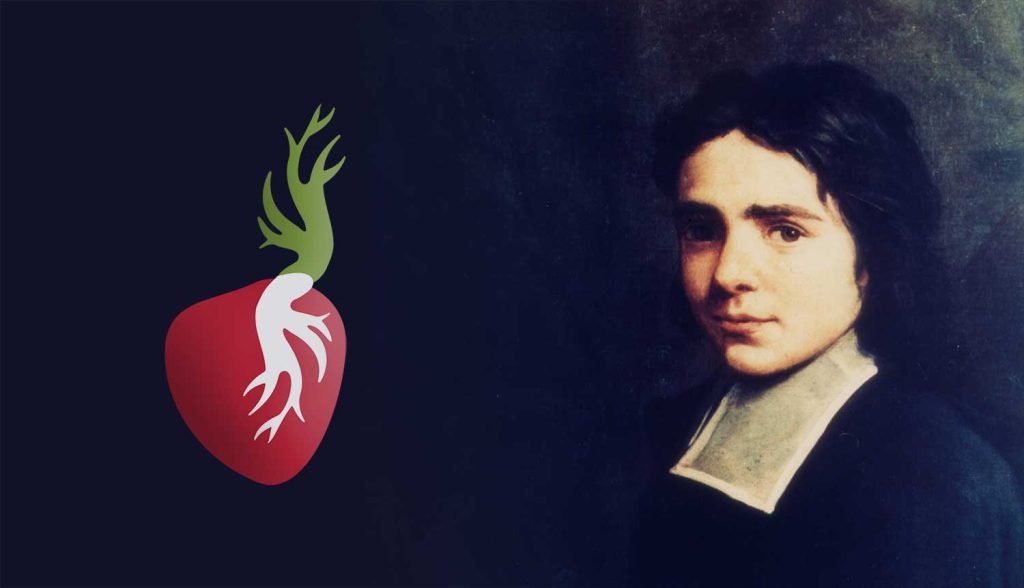
Poullart des Places
“Where I find your interests, I shall remain to safeguard them, but where I find only those of the world, I shall flee as from a serpent. If I am fortunate enough, my God, [to find the state] in which your divine Providence intends me to serve you, you will grant me the graces I need to keep the matter of my salvation ever present in my mind, and to forget all other matters of life. I detach myself, my God, from all the human perspectives I have held hitherto in every choice of life I have considered”
Intercultural Insight
Taking a critical step back from dominant social norms before making any choice
In 1702, Claude Poullart des Places confessed that “participation in the Body of Jesus” made him “despise the world and its ways,” that he cared little “about winning its esteem,” and even that he sometimes sought to “displease it by going against its customs.”. For his tonsure, he chose “the habit and simplicity of the most reformed clergymen,” without worrying “about what might be said of it.”
Reflection — Detaching oneself from ‘human views’: critical discernment of cultures
Detaching oneself from “human views” does not mean despising the world, but exercising a spiritual critique of the logic of power, glory, and success. Theologically, this is the work of discernment of spirits: distinguishing what belongs to God from what belongs to the world in the Johannine sense.
Such an attitude requires the capacity to question the implicit norms of one’s social and cultural environment. From an intercultural perspective, this discernment is essential: every culture contains values, but also idols. The believer is therefore called to a critical engagement with their own culture before evaluating that of others.
In this light, the Choice of a State of Life becomes a prophetic act, capable of resisting dominant social and cultural determinisms. It invites us to let the Gospel purify our perspectives so that our identity may be shaped not by cultural conditioning, but by the call of God.
Prayer
Holy Spirit, you who enlighten hearts, teach us to re‑examine our cultures in the light of the Gospel. Help us to recognize what comes from you and what stems solely from our human logic. Free us from the hidden idols of power, success, or domination. Lead our community along paths of truth, justice, and peace. Amen.







This article is also available in: