Theme: Sincerity before God and before our brothers and sisters
Intercultural communion is not built on appearances or unspoken assumptions, but on truth. Today we are invited to stand before God as we truly are, without masks or excuses. This inner truth is the foundation of fraternal trust. Let us ask for the grace to speak and listen with a sincere heart, capable of welcoming the other in their fragility as well as in their richness, so that our community may grow in authentic communion.
Word of God — Ephesians 4:15–20
“Instead, speaking the truth in love, we will grow to become in every respect the mature body of him who is the head, that is, Christ. From him the whole body, joined and held together by every supporting ligament, grows and builds itself up in love, as each part does its work. So I tell you this, and insist on it in the Lord, that you must no longer live as the Gentiles do, in the futility of their thinking. They are darkened in their understanding and separated from the life of God because of the ignorance that is in them due to the hardening of their hearts. Having lost all sensitivity, they have given themselves over to sensuality so as to indulge in every kind of impurity, and they are full of greed. That, however, is not the way of life you learned.”
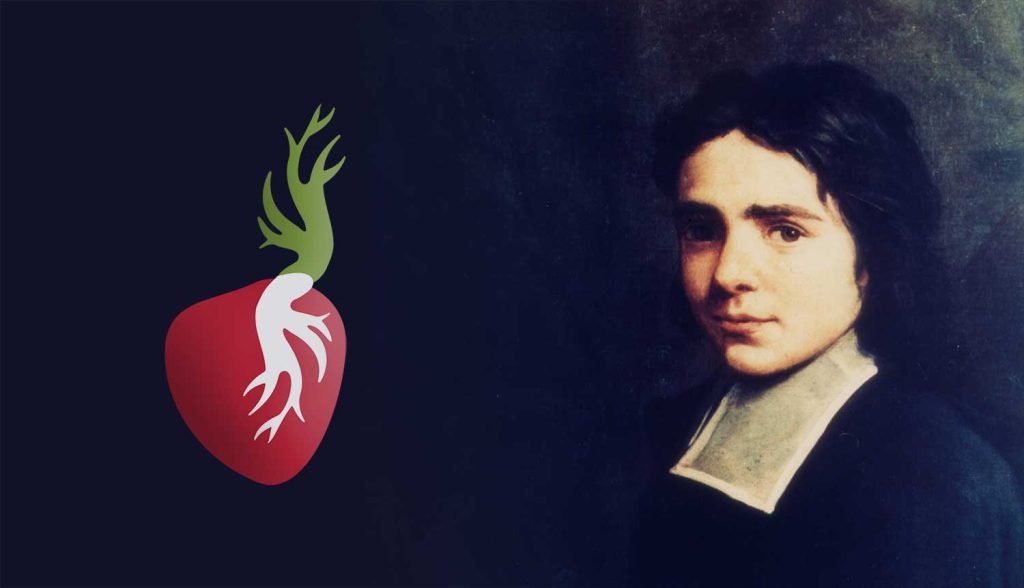
Poullart des Places — Sincerity and Self‑Awareness
“Since I am not prejudiced by anything and nothing prejudices me, I must once again begin to examine the inclinations and aversions I may have towards each way of life. Nothing will distract me in this holy place. I am here more particularly in the presence of God than in other places. I must not ‘disguise’ what is in my heart, since God knows it better than I do, and I would be deceiving myself if I did not speak to myself sincerely. I wish to weigh things on the scales of the sanctuary…”
Intercultural Insight
The need for inner honesty to avoid projecting one’s own patterns onto others
In 1704, Poullart des Places welcomed around forty students. He was undergoing a spiritual trial linked to physical exhaustion. To overcome this, he went on retreat, reflected on his experience, and noted his difficulties with great clarity. He then confided in a spiritual director, sharing his struggles openly. This moment of truth led him to entrust part of his responsibilities to others.
His example shows that inner honesty is indispensable for intercultural life: without it, we risk projecting our own patterns, fears, and expectations onto others.
Reflection — Self‑truth as a Prerequisite for Encounter
The call not to “disguise” anything before God reveals a theological anthropology centred on the truth of the heart. The relationship with God excludes inner deceit, for God knows each person better than they know themselves. This transparency—more than intellectual clarity—is essential for spiritual discernment and for healthy relationships. From an intercultural perspective, acknowledging one’s fears, biases, and projections prevents otherness from becoming a screen onto which we cast our own shadows. Without introspection, dialogue risks being coloured by prejudice or misunderstanding. Poullart des Places invites us to practise an asceticism of sincerity, so that we may see ourselves truthfully and recognise the other in their uniqueness, without filters. This quest for transparency is indispensable for any genuine encounter and for building a community rooted in trust.
Prayer
Lord, you know our hearts better than we do. Teach us to stand before you without a mask and before our brothers and sisters without fear. Heal our silences that wound and our words that divide. Grant us the grace of true, humble, and respectful speech, so that our community may grow in trust and communion. Amen.








This article is also available in: